If there’s one thing my family doesn’t miss, it’s football. Since South Africa 2010, we’ve packed our bags and gone wherever the game takes us: Qatar, Brazil, even Russia. The 2018 World Cup in Russia was unforgettable because it marked Peru’s return to the tournament after a 36 year absence. Singing the national anthem in a stadium after decades of waiting felt electric. So when Peru made it all the way to the Copa América final in 2019, it felt like another miracle: the same chills, the same pride, the same “we can’t miss this” energy.
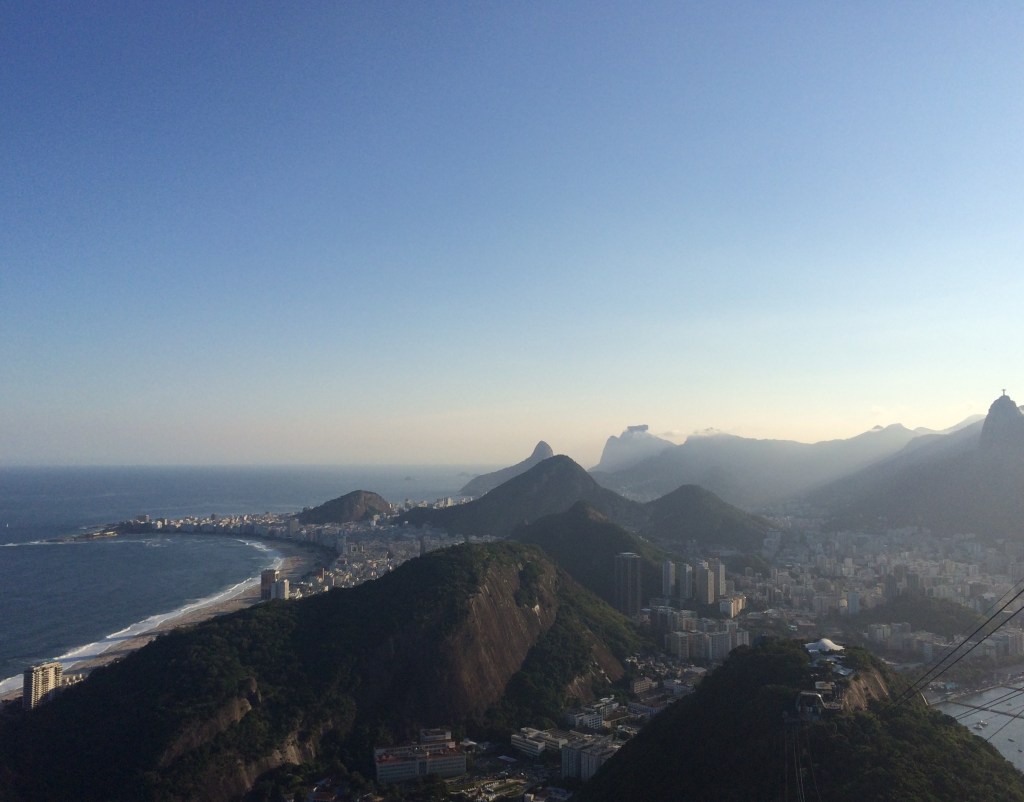
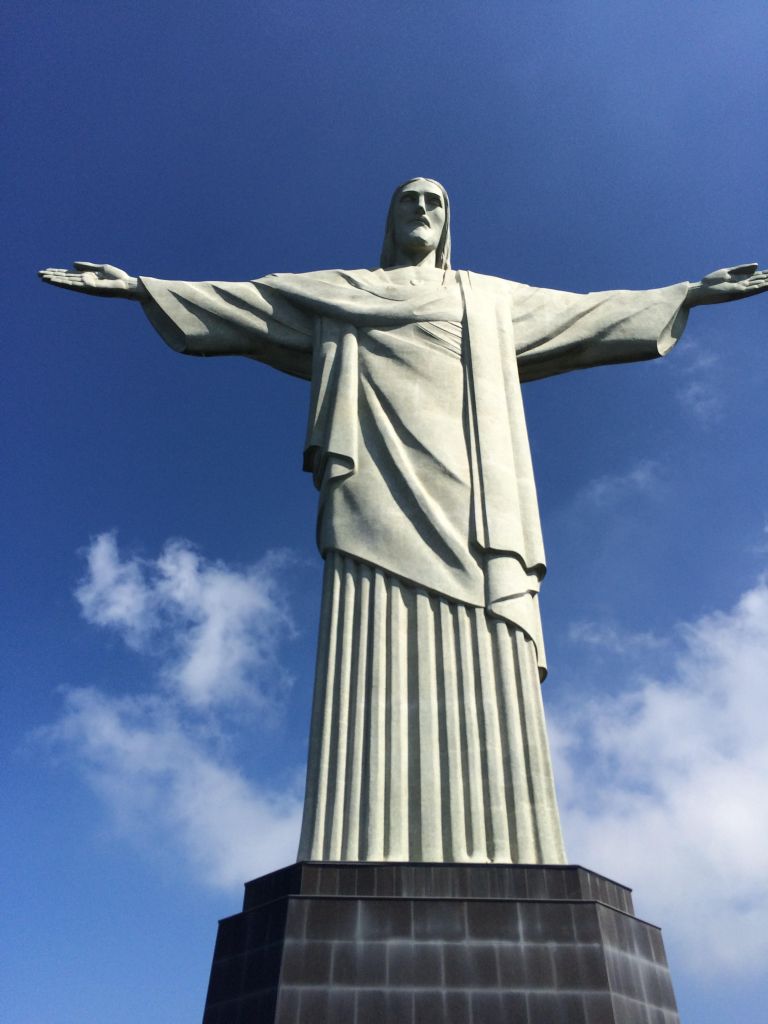
So off we went: my dad, my uncle, my cousin, and me, plus the usual crew of family and friends that never miss a big match heading to Rio de Janeiro. We’d been to Brazil before, but this trip felt different. It wasn’t sightseeing first; it was football first. Still, we did the classic stop at Cristo Redentor because you can’t go to Rio and not stand under that giant statue with your arms wide open.

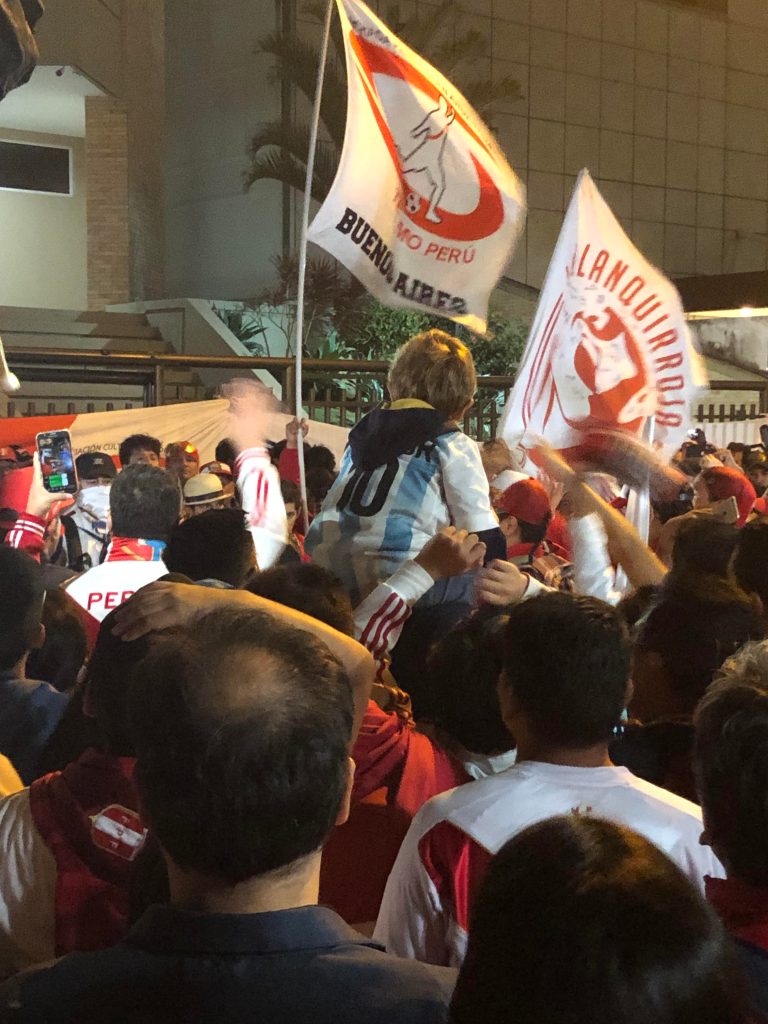
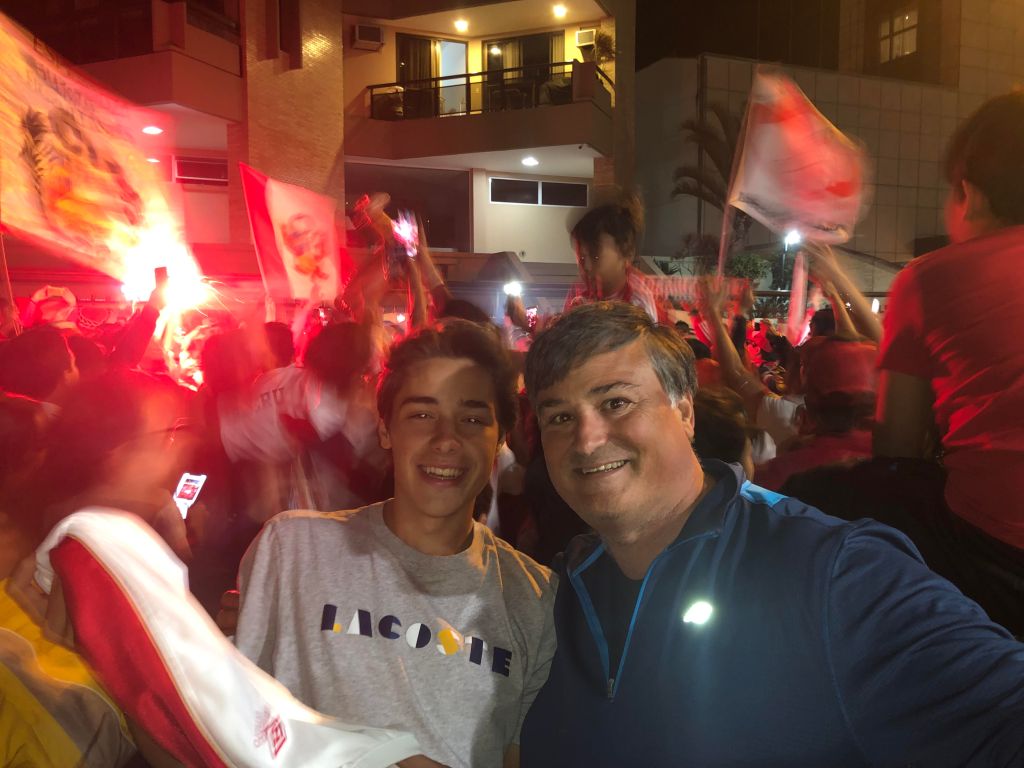
The night before the match, we joined thousands of Peruvians outside the team’s hotel for the ‘banderazo’. Imagine a sea of red and white, Peruvian flags everywhere, drums, chants, smoke bombs turning the night sky red, strangers hugging like lifelong friends. We sang until our voices cracked hoping the players could hear us through the windows. That night felt like a living example of what Fernando Ortiz calls transculturation. He wrote about “the extremely complex transmutations of culture that have taken place here” in Latin América. There we were: Peruvians bringing Andean pride, Spanish slang, mixing with Brazilian samba rhythms, Portuguese shouts from curious locals, and global football vibes. It wasn’t just Peru or Brazil anymore, it was something bigger, a Latin American party with a global beat.
Game day at the Maracanã hit me even harder. The stadium: massive, historic, echoing with decades of football stories, is a perfect example of what Richard Kagan means when he talks about cities as “spaces of cultural expression” shaped by centuries of colonial and postcolonial life. Rio, once a Portuguese colonial hub, now hosts fans from all over South America screaming their lungs out. The stands were a swirl of colors: Peruvian red and white, Brazilian yellow and green, Argentinians who had just come to watch the chaos, and Uruguayans waving flags. Football turned the city into a single giant plaza, alive with identity and noise.
On the field, it was Peru vs. Brazil, David vs. Goliath, but with drums and fireworks. Brazil: five-time World Cup champion, playing at home, samba kings, versus Peru, the underdog. That’s precisely the kind of “contact zone” Mary Louise Pratt describes: “social spaces where cultures meet, clash, and grapple with each other”. There was rivalry, yes, we were drowned out at times by the Brazilian drums, but also mutual respect. After Brazil won, some fans came to congratulate us, hugging and taking selfies. We’d clashed, but also shared the joy of being Latin Americans united by the same love of the game.
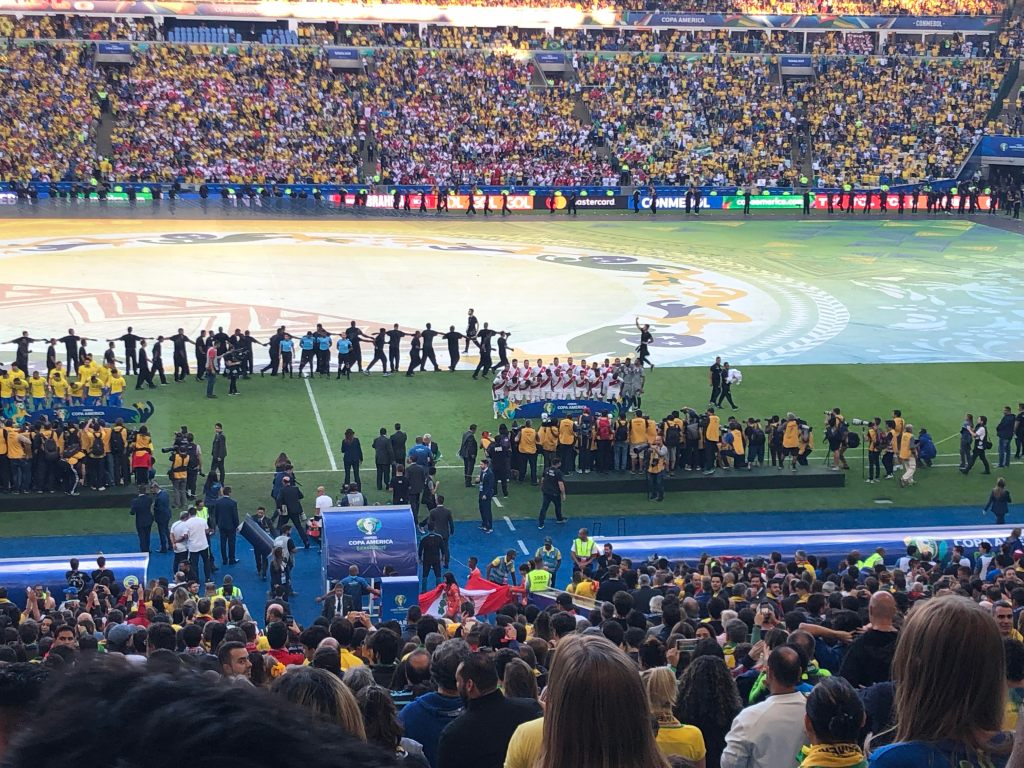
The whole trip reminded me why football is so much more than a sport. It’s about history, cities, languages, food, and families. Walking out of the Maracanã with my dad, uncle, and cousin, even in defeat, felt like victory. We’d carried Peru to Rio with us, sang ourselves out, and seen a living lesson in how Latin América keeps reinventing itself: blending, clashing, celebrating.
Football brought me closer to my family and to Latin América’s pulse. Ortiz would’ve seen the cultural mixing, Kagan would’ve noticed the city alive with new meaning, Pratt would’ve recognized the contact zone right there in the stands. Me? I call it unforgettable.
References:
 Habla, Barrio
Leave a comment